Top 10 Things to Do When Selling Embroidery Design
A First Look at the Design
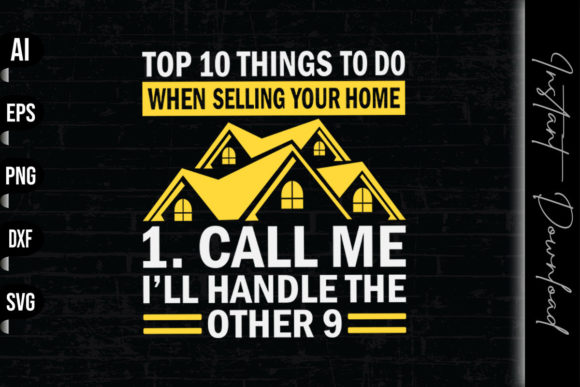
As a designer who's stitched through countless machine embroidery projects, the first thing I noticed about Top 10 Things to Do When Selling is its clean and approachable layout. It feels like a friendly reminder or checklist, which makes it perfect for a variety of handmade products. The design has a modern yet classic feel that could easily fit into custom apparel, tote bags, or even baby clothes.
The visual personality of this design is straightforward but not boring. It uses clear lines and shapes that translate well into embroidery. The theme seems to be centered around helpful tips, making it ideal for personalized gifts or educational items. I can imagine it looking great on a sweatshirt or as an embroidered patch for a small shop product.
How It Performs in Real Projects
When considering how Top 10 Things to Do When Selling would perform in real-life embroidery situations, I think about how it would stitch out on different surfaces. On a t-shirt or hoodie, the design should hold up well with proper stabilizer use. The detail level is good enough for a casual look without being overwhelming.
For something like a tote bag design, this file could work beautifully as a decorative accent or as part of a larger applique design. It might also make a nice addition to a pillow cover or tea towel, especially if paired with a complementary satin stitch border. In terms of commercial embroidery, this design has potential as a small shop product or Etsy listing item.
However, I do see some limitations. If used on very small hoop sizes or on stretchy fabric, the design may lose some of its clarity. The same goes for dark fabric backgrounds where thread color contrast becomes essential. This is where testing the design on scrap fabric first becomes important.
Where to Use It Carefully
While Top 10 Things to Do When Selling is versatile, there are certain situations where it should be used with caution. For instance, when working with thin or textured fabrics, the stitch density might affect the overall appearance. Also, if you're planning to embroider on curved surfaces like caps or hats, the design’s shape needs to be adjusted to fit the curve properly.
Products that need frequent washing, such as baby clothes or aprons, should be tested thoroughly. Dense stitch areas may cause puckering or fabric distortion over time, so using the right stabilizer and checking the stitch count is crucial. Tiny lettering or detailed corners might also become less visible after multiple washes, so always test on fabric before finalizing a project.
Visual Appeal and Customer Impact
The visual appeal of Top 10 Things to Do When Selling lies in its simplicity and readability. Customers are likely to appreciate the clean lines and the message behind the design, especially if they’re buying it as a personalized gift or for their own handmade product. It adds a touch of professionalism and organization to any finished product.
For a craft business owner or Etsy seller, this design could enhance brand consistency across different merchandise. Whether it’s used as a holiday embroidery piece or part of a boutique branding effort, it brings a sense of reliability and practicality to the product.
It also helps with buyer engagement. A customer seeing a finished product with this design might feel more connected to the message, making it more memorable. This kind of design is particularly useful for those selling digital embroidery files or printable mockups that need to showcase clear and appealing visuals.
Practical Designer Notes
If you're thinking of using Top 10 Things to Do When Selling in your next embroidery project, here are a few things to keep in mind:
- Test on scrap fabric: Always check how the design looks on the actual fabric you plan to use. This will help avoid surprises later.
- Check thread color contrast: Make sure the colors you choose stand out well against the fabric background.
- Review stitch density: Adjust the stitch count if needed to prevent fabric distortion or puckering.
- Confirm hoop size: Ensure the design fits comfortably within your chosen hoop size.
- Inspect small details: Zoom in on the design to make sure all elements are clear and legible.
- Use black and white mockups: This helps visualize how the design will look on different fabric types.
- Compare light and dark backgrounds: Test the design on both light and dark fabrics to ensure visibility.
- Use proper stabilizer: Especially important for delicate or stretchy fabrics.
- Check licensing: Before selling any finished items or digital products, confirm the design’s license terms.
By taking these steps, you can ensure that Top 10 Things to Do When Selling works well for both personal and commercial embroidery projects. Whether you're creating custom apparel, handmade gifts, or small shop products, this design offers a practical and appealing option for your next project.